
Curriculum
/test01/channel_2/media/mccms/content-assets/academics/residencies-and-fellowships/physical-medicine-and-rehabilitation-residency-fl/curriculum/physical-medicine-rehabilitation-residency-fl-1024X512-legrandphoto-22-2445.jpg)
Clinical training
The Physical Medicine and Rehabilitation (PM&R) Residency at Mayo Clinic's campus in Jacksonville, Florida, in collaboration with Brooks Rehabilitation Hospital, features 31 four-week blocks of required rotations in six broad areas (including inpatient rehabilitation, outpatient musculoskeletal and neurologic rehabilitation, electromyography, pediatric rehabilitation, and hospital consultation services), three (four-week) blocks of electives or research activities, and one block each of an inpatient and outpatient selective rotation, which is an opportunity to repeat one of the prior rotations on the inpatient and outpatient services.
To further enhance your training experience, you have the option to use elective time to rotate in other clinics at Mayo Clinic in Jacksonville, Florida, or at the other Mayo Clinic sites, including Mayo Clinic campuses in Rochester, Minnesota; Phoenix/Scottsdale, Arizona; Mayo Clinic Health System in Minnesota and Wisconsin; or Mayo Clinic Square Sports Medicine in Minneapolis, Minnesota.
Your training includes a continuity clinic during the last two years. During all three years, you may also choose to serve as a team physician for a local sports team.
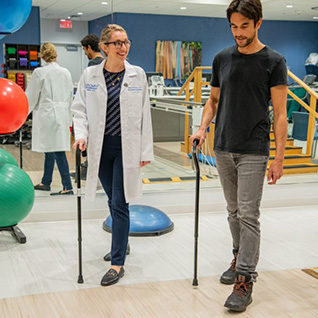 The second year is split between seven four-week blocks on the inpatient rehabilitation service at Brooks Rehabilitation Hospital - University Avenue Campus, five four-week blocks rotating through various outpatient clinics at Mayo Clinic Florida, and four weeks of research or elective time.
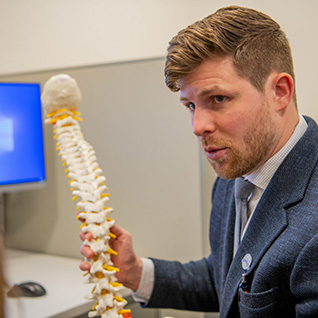 You will start the year with four four-week blocks in the Neurophysiology lab at MCF doing electromyography training, with the remainder of the year split between inpatient and outpatient services.
Rotation descriptions
Mayo campus rotations
Electives
Inpatient and outpatient elective rotations are available to meet your interests and career goals. Your options include electives in the Department of Physical Medicine and Rehabilitation or in other departments at MCF and may include Regenerative Medicine.
You may complete rotations at Mayo Clinic's campuses in Rochester, Minnesota, Phoenix/Scottsdale, Arizona, or the Health System in Minnesota or Wisconsin, during the PM&R Residency. These practices offer outpatient and inpatient PM&R experience in a variety of academic or community-based practices.
Mayo Clinic funds your authorized additional costs of travel, housing, automobile rental, and licensure fees.
Didactic training
Clinical conferences, seminars, small discussion groups, journal clubs, and one-on-one instruction are integral parts of the Mayo Clinic in Jacksonville, Florida, in collaboration with Brooks Rehabilitation Hospital PM&R Residency.
Your didactic training includes:
- Resident didactic sessions that focus on the diagnosis, treatment, and rehabilitation of disorders of bones, joints, nerves, and muscles on a weekly basis.
- This will include a comprehensive longitudinal training curriculum in musculoskeletal ultrasound for diagnostic and injection purposes.
- A comprehensive introductory PM&R curriculum and a research training curriculum during PGY-2 are necessary.
- Journal club, which meets once a month. You are assigned to review approximately one to two articles a year, but monthly journal club attendance is required.
- Clinical conferences and case presentations are presented by physical medicine and rehabilitation consultants, residents, students, or guest faculty on a biweekly basis.
- Weekly conferences in sports and inpatient rehabilitation services. Attendance is required while you are on these specific rotations, otherwise, attendance is optional.
- A comprehensive anatomy course with prosected cadavers paired with a musculoskeletal and ultrasound exam course providing hands-on training and observation of joint and spine examination skills. This begins during the PGY2 year and repeats throughout each year as needed.
- A two-month clinical neurophysiology course integrated into the electromyography rotation.
Residents present clinical case conferences and Journal Club articles to the department twice a year each year. An annual Resident Seminar Day provides a forum for presentation of the initial development of research project during PGY-2 year and for senior residents to present the findings/outcomes of their research.
Research training
The research training program includes planning a research project early in the PGY-2 year that you complete during your residency. Projects frequently involve musculoskeletal ultrasound, epidemiology of specific disorders, or new rehabilitation interventions. This experience improves your ability to think analytically and critically review literature. Research funding is available for approved projects.
During the residency, you prepare two seminar presentations that represent the introduction and results of your research project.
PM&R residents are encouraged to submit their research work for presentation at national meetings. If accepted, the department supports attendance at those meetings. In addition, each resident is offered one trip to attend a meeting of his or her choice as an educational and networking opportunity.
Clinician Investigator Training Program
The Clinician Investigator Training Program is available as part of the PM&R Residency. This opportunity would extend your training by approximately 18-24 months. The Clinician Investigator Training Program is an excellent choice if you are planning a career that would emphasize research in an academic center.
Call frequency
Your call schedule varies by individual rotation. Mayo Clinic follows duty hour recommendations of the Accreditation Council for Graduate Medical Education (ACGME). During PGY-1 year you will have either daytime or nighttime clinical activities, but there are no 24-hour shifts. During PGY-2 to PGY-4, the only call is during inpatient services at Brooks Rehabilitation Hospital. You will take telephone call from home one night per week and work one weekend day per rotation on each of the inpatient services.
Teaching opportunities
You have the opportunity to teach Mayo Clinic Alix School of Medicine students and visiting students from other medical schools through bedside instruction, outpatient clinic supervision, physical examination workshops, and formal didactic lectures. In addition, residents and fellows from other Mayo Clinic departments occasionally rotate through PM&R.
Practice board exams
To prepare for board examinations, you participate in the yearly self-assessment exam prepared by the American Academy of Physical Medicine and Rehabilitation. You may also complete mock oral exams twice each year, conducted by Mayo Clinic's PM&R faculty. These oral exams prepare you for the second part of the physical medicine and rehabilitation boards.
Committee assignments
We feel that committee participation is an effective way to promote professional development. Residents participate on committees at Mayo Clinic Hospital during outpatient rotations, at Brooks Rehabilitation Hospital during inpatient rotations, and within national organizations as opportunities present.
Moonlighting
Moonlighting is permitted for licensed residents at the PGY-3 level or above with prior approval from the Program Director. Moonlighting activities may be scheduled during times when you are assigned to consultative or outpatient rotations on the PM&R services, as long as they do not interfere with your clinical, didactic, or research-related duties. No moonlighting is allowed while you are assigned to inpatient rotations or on rotations in other departments unless the residents in that department are allowed to moonlight.
Evaluation
The Physical Medicine and Rehabilitation Residency at Mayo Clinic in Jacksonville, Florida, is committed to following the guiding principles as put forth by the ACGME Outcome Project. Residents should expect to be evaluated for progress toward achieving competency in these areas:
- Medical knowledge
- Patient care
- Professionalism
- Practice-based learning and improvement
- Communication skills
- System-based practice
The Clinical Competency Committee and the Program Director review the resident’s progress in the areas above and PM&R Milestones for training. There is an expectation that each resident will develop more independence with rotations during each year.
Each year one resident will participate in the Program Evaluation Committee meeting to evaluate the program. All residents are required to evaluate the program confidentially through the ACGME.
Resident life
Mayo Clinic in Jacksonville, Florida, Physical Medicine and Rehabilitation Residency program in collaboration with Brooks Rehabilitation Hospital supports you both inside and outside of campus and ensures your work/life balance. As a resident, your physical and mental health is a priority to both Mayo Clinic and our department. Learn about what Mayo Clinic and Jacksonville, Florida, have to offer.
- Fitness centers
- Groups on campus
- Well-being
Fitness centers
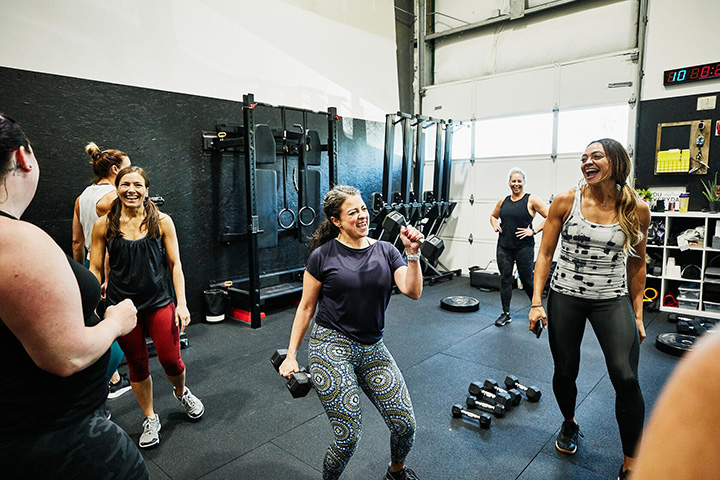 Mayo Clinic residents or fellows can experience 24/7 free access to the Bill Hewitt Employee Wellness Center — opened in the summer of 2024 and spans 6,700 square feet with modern cardio machines, weight machines, free weights, a studio for live classes, and includes showers and locker rooms for convenience.
Additionally, residents or fellows at our three campuses get discounted membership fees to area gyms. In Jacksonville, Florida, residents and fellows can obtain an exclusive discount with the YMCA (several locations).
Groups on campus
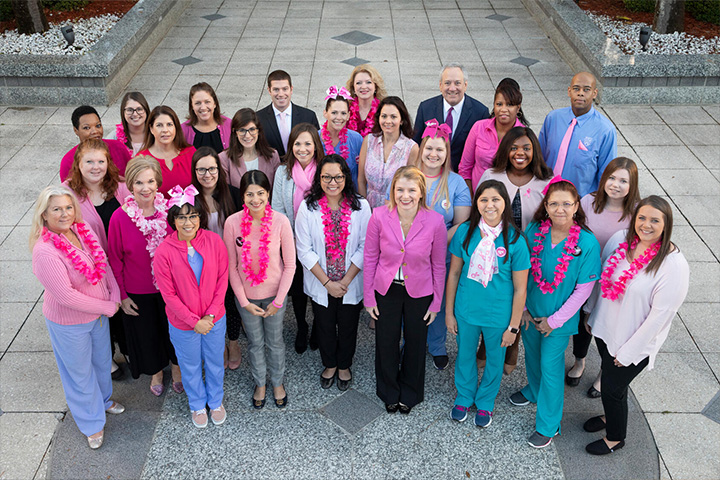 Opportunities to join a variety of groups on campus provide regular social activities and can help enhance your training while connecting with a broad group of peers.
Trainees will have the opportunity to join a Mayo Employee Resource Group (MERG) at any time during their training program. Current MERGs on the Florida campus include groups based on African, Asian, and Latino heritage as well as groups focused on veterans, global health volunteering, professional development, family resources and events, and LGBTI and differently-abled staff and allies.
Well-being
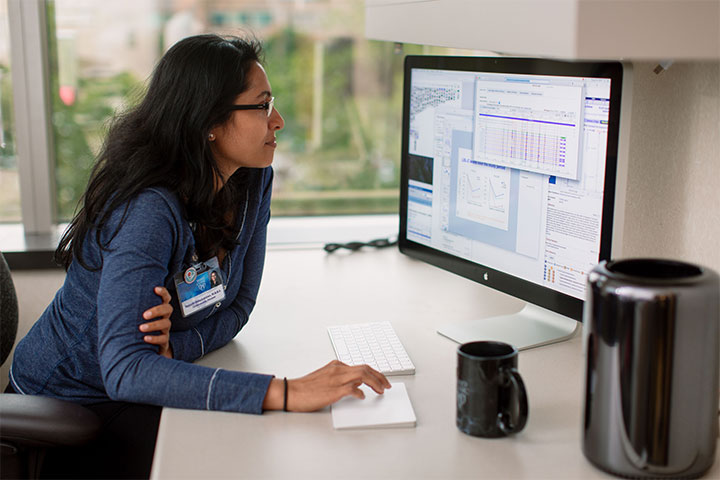 The Student Services office provides resources to promote academic, emotional, social, cognitive, financial, and physical well-being. Career and academic services include academic advising, peer tutoring, and accommodations for learners with disabilities or health conditions. Mental health services, counseling, interview practice, and a variety of enrichment sessions on topics like budgeting, resiliency, and stress and burn-out are also available through the Student Services office.
Outside of work, you can enjoy a variety of activities on the land, in the water, and during days of sunshine. Here are just a few recommended activities.