
Department and Faculty
/test01/channel_2/media/mccms/content-assets/academics/residencies-and-fellowships/neurologic-surgery-residency-minnesota/department-and-faculty/neurologic-surgery-residency-3583622-0036-hero-tablet.jpg)
From the program director
Mayo Clinic was one of the earliest institutions to offer subspecialization in neurosurgery, beginning at the turn of the century with Charles Mayo, M.D., and Emil Beckman, M.D. In 1919, the Section of Neurologic Surgery was established at Mayo, with Alfred Adson as its first chair. Numerous esteemed colleagues followed including, Collin MacCarty, Thoralf Sundt Jr., David Piepgras, and Fredric Meyer followed as eminent chair-people.
Now under the leadership of Dr. Robert Spinner, the Department of Neurologic Surgery exists as one of the largest neurosurgical practices in North America, covering all subspecialties in neurosurgery. We have world-renowned experts in every field.
Mayo Clinic has long been a leader in education, and it exists as the largest graduate medical institution in the country. Given its unique position with multiple sites across the country and large practice volume, you will benefit from opportunities that are unavailable at any other institution. Further, education exists as one of Mayo Clinic's core values and is supported throughout the institution.
In addition, our program offers two full years of elective time where residents can tailor their program to their interests. This includes basic and translational research, clinical research programs, and off-site rotations. Unparalleled training with significant flexibility allows for unique and personalized training you would not be able to get elsewhere.
We look forward to meeting you soon!
David Daniels, M.D., Ph.D., FAANS
Neurologic Surgery Residency Program Director
Associate Professor of Neurosurgery and Pediatrics
Assistant Professor of Pharmacology
Department
The Department of Neurosurgery at Mayo Clinic is one of the largest in the United States. Each year, the entire spectrum of neurosurgical conditions and diseases is treated essentially at one site, which ensures an unparalleled training experience.
Many cases are straightforward neurosurgical problems, which include brain tumors, cerebral aneurysms, and spinal disease. This allows you to become skilled in the management of typical neurosurgical problems. However, many complex cases are nationally or internationally referred to Mayo neurologists and neurosurgeons for evaluation and treatment. These difficult cases often require a multidisciplinary team approach to patient care, which broadens your educational opportunities.
Faculty
In addition to caring for patients in their clinical practices, Mayo Clinic's neurosurgery faculty members are committed to teaching and facilitating the resident's development as a neurosurgeon. Many of the department faculty have published and lectured extensively and are well-regarded for their specialty and subspecialty expertise. All residents have close and frequent contact with these individuals throughout the training experience.
 |
Edward Ahn, M.D.Consultant, Neurosurgery Specialty: Pediatric neurosurgery concentrating on shunts, intrauterine surgery, cranial vault remodeling, and general pediatric surgery |
 |
Rushna Ali, M.D.Senior Associate Consultant, Neurosurgery Specialty: Stereotactic and functional neurosurgery |
 |
John Atkinson, M.D.Consultant, Neurosurgery Specialty: Pituitary tumors, spine surgery, and sympathectomy |
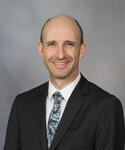 |
Terry Burns, M.D., Ph.D.Consultant, Neurosurgery Specialty: Intra-axial brain tumors, Gamma Knife, and awake brain surgery |
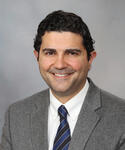 |
Mohamad Bydon, M.D.Consultant, Neurosurgical Spine Surgery Specialty: Spinal oncology and minimally invasive spine surgery |
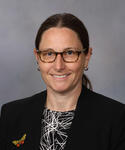 |
Michelle Clarke, M.D.Consultant, Neurosurgical Spine Surgery Specialty: Spinal oncology and spine surgery |
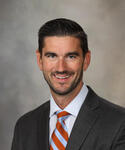 |
David Daniels, M.D., Ph.D.Consultant, Neurosurgery Specialty: Pediatric neurosurgery with emphasis on brain tumors and intraventricular endoscopy |
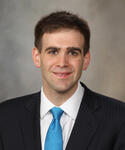 |
Benjamin Elder, M.D., Ph.D.Consultant, Neurosurgical Spine Surgery Specialty: Normal Pressure Hydrocephalus and complex spine surgery |
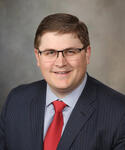 |
Jeremy Fogelson, M.D.Consultant, Neurosurgical Spine Surgery Specialty: Complicated spinal deformity correction |
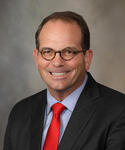 |
William Krauss, M.D.Consultant, Neurosurgical Spine Surgery Specialty: Spine tumor and spine surgery |
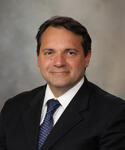 |
Giuseppe Lanzino, M.D.Consultant, Neurointerventional Neurosurgery Specialty: Endovascular and open vascular surgery |
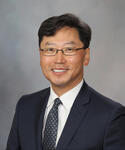 |
Kendall Lee, M.D., Ph.D.Consultant, Neurosurgery Specialty: Deep brain stimulation, pain, and functional neurosurgery |
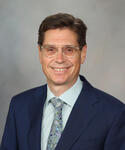 |
Michael Link, M.D.Consultant, Neurosurgery Specialty: Skull base, acoustic neuromas, Gamma Knife, and vascular surgery |
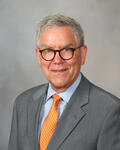 |
W. Richard Marsh, M.D.Consultant, Neurosurgery Specialty: Epilepsy and spine surgery |
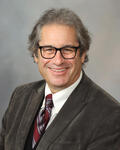 |
Fredric Meyer, M.D.Consultant, Neurosurgery Specialty: Brain tumors, vascular, and epilepsy surgery |
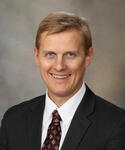 |
Kai Miller, M.D., Ph.D.Consultant, Neurosurgery Specialty: Epilepsy and pediatric neurosurgery |
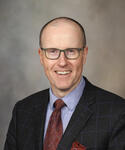 |
Ian Parney, M.D., Ph.D.Consultant, Neurosurgery Specialty: Intra-axial brain tumors, Gamma Knife, and awake brain surgery |
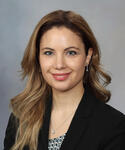 |
Maria Peris Celda, M.D., Ph.D.Senior Associate Consultant, Neurosurgery Specialty: Skull base, pituitary tumor surgery, and acoustic neuromas |
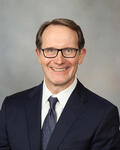 |
Bruce Pollock, M.D.Consultant, Neurosurgery Specialty: Gamma Knife, trigeminal neuralgia, and brain tumors |
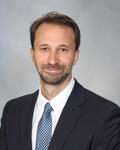 |
Lorenzo Rinaldo, M.D., Ph.D.Associate Consultant, Neurosurgery Specialty: Endovascular and open vascular surgery |
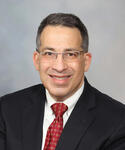 |
Robert Spinner, M.D.Consultant, Neurosurgery Specialty: Peripheral nerve surgery |
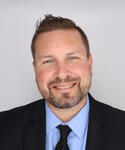 |
Jamie Van Gompel, M.D.Consultant, Neurosurgery Specialty: Skull base, endoscopic pituitary surgery, and epilepsy |
Advisers and mentors
At the start of the PGY-2 or PGY-3 year, you will select or be assigned to neurosurgery faculty mentors. This relationship is established early in residency to encourage longitudinal development of a mentoring relationship, and to promise access to faculty members for advice throughout residency.
Mentors are expected to give close attention to your goals, objectives, and spectrum of operative experience throughout the training program. The mentor can also help you choose a research project, give guidance about post-residency career planning, and serve as an advocate in post-training placement.
The chair is also intimately involved in the counseling and guiding of residents both during and after their tenure. Annual meetings are arranged between you and the department chair and the vice chair of research to provide another mentoring perspective, individualize your training program, and discuss options for advanced subspecialty training pertaining to your career and professional aspirations.
Visiting professors
Many prominent neurosurgeons visit Mayo Clinic each year. They present their work at scheduled conferences and morning lectures and participate in hospital rounds. These visits are scheduled to include time for informal interaction between the visitor and residents.