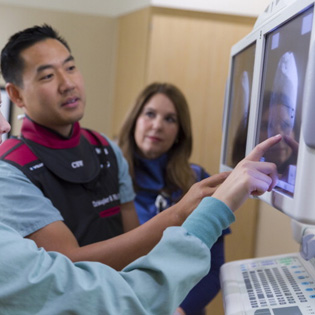
 The Mayo Clinic Division of Pain Medicine is an international leader in the pain clinical practice and research. Residents are introduced to all facets of independent pain medicine, including training in acute, chronic, and oncologic pain management.
Residents and fellows regularly present posters and research at the national pain meetings including ASRA and NANS. Exciting pain research currently being studied includes perioperative opioid utilization, regenerative pain medicine, chronic pain rehabilitation, and spinal cord stimulation and technology.
Learn more about the faculty who specialize in this area:
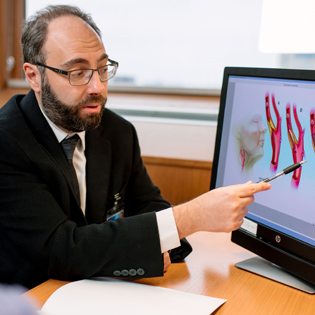 The Mayo Clinic Department of Anesthesiology and Perioperative Medicine is proud to have a long history of excellence in neuroanesthesia. In this department, the original founders of neuroanesthesia — Mitchenfelder and Faust — started their career. As a result, the culture of improving the practice of neuroanesthesia and fostering perioperative brain health persists across the department. Today, the Division of Neuroanesthesia carries several recent past presidents of SNACC, the Society of Neuroanesthesia and Critical Care.
The neuroanesthesia division consists of many faculty members with diverse interests encompassing research, clinical practice, critical care, and education. Outside the division of neuroanesthesia, many others have written and continue to research seminal literature on perioperative brain health and outcomes.
Learn more about the faculty who specialize in this area:
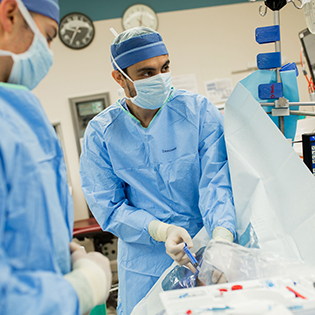 With more than 12 cardiothoracic bypass-capable operating room suites, the Division of Cardiothoracic Anesthesiology offers an incredible breadth of case volume and clinical opportunity for all residents. Given the large number of cardiothoracic cases, our residents gain exceptional training in cardiothoracic anesthesiology. Moreover, the complexity and volume of procedures offer an incredible opportunity for clinical research.
Learn more about the faculty who specialize in this area:
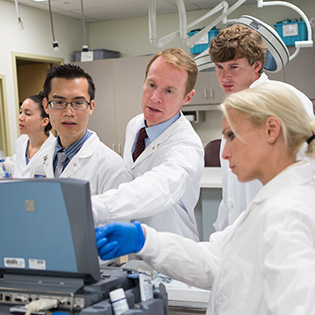 Critical and intensive care is a natural branch of anesthesiology. As a testament to the excellent and engaging critical care practice here at Mayo Clinic, many residents move on to a critical care fellowship after their training. The department is proud to have many government grant-awarded researchers in basic science and physiology. Clinically, several of the critical care faculty leverage Mayo Clinic’s robust data technology and research facilities to study patient outcomes after critical illness.
Learn more about the faculty who specialize in this area:
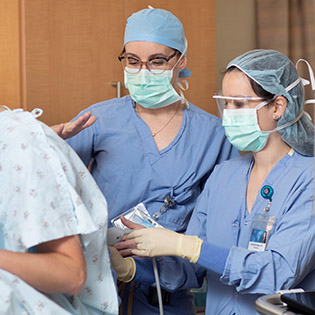 The obstetric anesthesiology practice at Mayo Clinic offers a robust experience in the anesthetic care of obstetric patients and babies who are considered high risk. Pregnant women with congenital and acquired heart disease, endocrine diseases, neurologic diseases, renal disease, and various other medical and surgical needs travel to Mayo Clinic to be cared for throughout their pregnancies. Further, pregnant patients who are ill are transferred to Mayo Clinic Hospital — Rochester from throughout the Midwest.
Consequently, many of the faculty here excel in obstetric anesthesiology research and the study of pregnant patient outcomes and care.
Learn more about the faculty who specialize in this area:
 This department has several prominent authors in pediatric anesthesia. Many of these faculty study outcomes in pediatric patients after anesthesia.
Learn more about the faculty who specialize in this area:
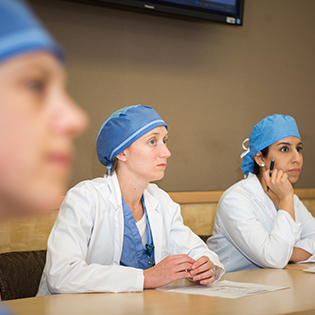 Every anesthesiologist at Mayo Clinic is dedicated to patient safety and improved patient outcomes and our department excels in developing leaders in anesthesiology and patient safety. This department is honored to have several leaders in perioperative patient safety practice here, including the president of the Anesthesia Patient Safety Foundation (APSF) and several directors of patient safety committees for many state and national societies.
Learn more about the faculty who specialize in this area:
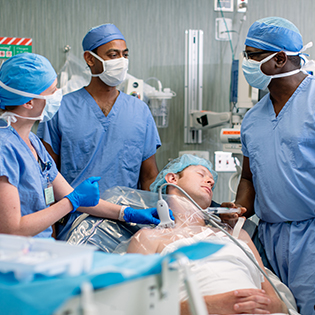 The Mayo Clinic Department of Anesthesiology and Perioperative Medicine is one of the founding institutions that began the practice of incorporating regional anesthesia techniques to better patient outcomes and improve patient care and satisfaction. Several of the staff members have served in prominent leadership roles in the American Society of Regional Anesthesia and Pain Medicine (ASRA).
Many of the residents graduate the program with regional numbers that rival many regional fellowships due to the sheer volume of orthopedic, thoracic, and large abdominal procedures on a daily basis. To keep up with this volume, the department continues to invest in a robust regional anesthesia research footprint. Many of the faculty below give national and international lectures on their research and updates to the field.
Learn more about the faculty who specialize in this area:
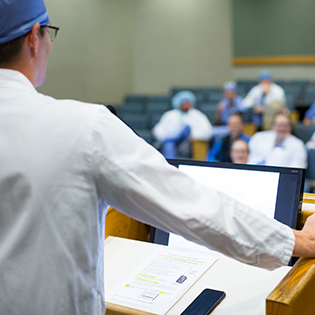 Education is a pillar on which this department stands. In addition to the clinical teaching and resident didactics that occur every day, many of our staff dedicate their energy and research time to innovating and enhancing resident learning.
The department is focused on developing the next generation of leaders in anesthesiology, and cultivating the potential in every one of our residents is how we plan to achieve our goal. There are staff who study medical simulation and training. Others, study “teaching how we teach” and outcomes that improve resident satisfaction, well-being, and success.
Learn more about the faculty who specialize in this area:
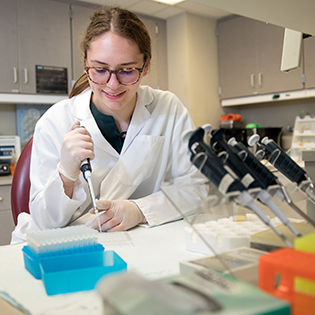 Mayo Clinic and the Department of Anesthesiology and Perioperative Medicine continue to lead the field in basic science research. The department has several government-funded basic science research labs studying translational physiology, respiratory physiology, and neuromuscular function, just to name a few.
Learn more about the faculty who specialize in this area:

/test01/channel_2/media/mccms/content-assets/academics/residencies-and-fellowships/anesthesiology-residency-minnesota/curriculum/mccms-anesthesiology-3211685-0007-content.jpg)
/0x0:315x315/test01/channel_2/media/mccms/content-assets/academics/residencies-and-fellowships/anesthesiology-residency-minnesota/curriculum/aldis-siltumens.jpg)