
Curriculum
/test01/channel_2/media/mccms/content-assets/academics/residencies-and-fellowships/anesthesiology-residency-florida/curriculum/anesthesiology-residency-fl-1024X512_WF2854504_0031.jpg)
Clinical training
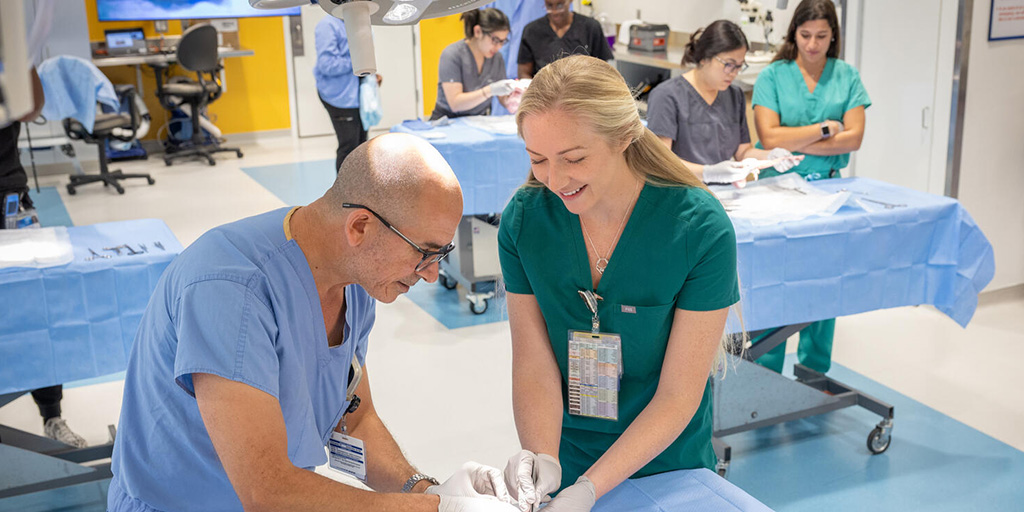
The three clinical anesthesia years (CA-1 through CA-3, otherwise known as PGY-2 through PGY-4) include training in basic, advanced and subspecialty anesthesia, as well as opportunities to participate in research.
Your first and second years of clinical anesthesia training (CA-1 and CA-2) consist of clinical rotations in all basic and subspecialty areas with increasing levels of responsibility as you gain experience.
Rotation schedule
This is a sample curriculum to give you an idea of what you can expect during the Anesthesiology Residency at Mayo Clinic in Jacksonville, Florida.
PGY-1
See the Internal Medicine Preliminary Residency for sample PGY-1 block schedules.
Off-campus rotations
During the Anesthesiology Residency, off-campus rotations are arranged at affiliated locations. For elective out-of-state rotations during the CA-3 year, the cost of travel, housing, licensure, and other fees is provided in order to prevent these rotations from becoming a financial hardship.
These rotations include:
- Wolfson's Children's Hospital in Jacksonville, Florida
- University of Florida Health Shands Hospital in Jacksonville, Florida (obstetric and trauma anesthesiology)
- Wake Forest Baptist Medical Center in Winston-Salem, North Carolina (obstetric anesthesiology)
Didactic training
Didactic training is an integral part of the Anesthesiology Residency. You participate in:
- Introductory lecture series
- Core curriculum lectures
- Subspecialty mini-lectures
- Keyword conference
- Journal clubs
- Morbidity and mortality conferences
- Oral board reviews
- Written board reviews
/test01/channel_2/media/mccms/content-assets/academics/residencies-and-fellowships/anesthesiology-residency-florida/curriculum/anesthesiology-residency-fl-1024X512_WF2854504_0064.jpg)
Research training
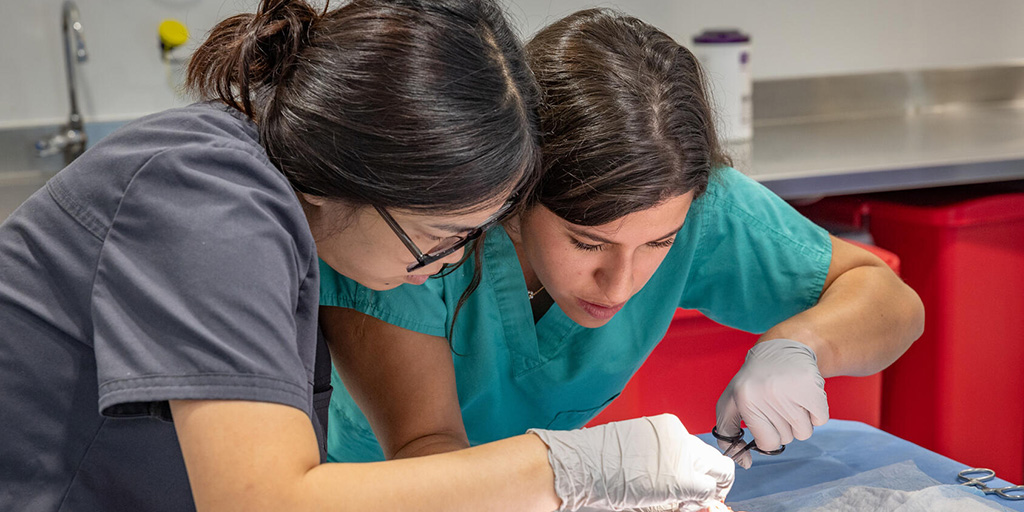
Research opportunities at Mayo Clinic are outstanding. You are encouraged to participate with the consulting staff in research projects, which include opportunities for clinical studies and laboratory-based projects.
Board review
CA-1 residents have online access to STARTprep, a one-year curriculum designed to provide them with competency in the anesthesia basic sciences.
Biannual oral board review practice sessions are taught by Mayo faculty who are also current American Board of Anesthesiology oral board examiners.
Call frequency
Mayo Clinic follows the recommendations of the Accreditation Council for Graduate Medical Education regarding call frequency. Call schedules vary by individual rotation, but call is approximately every sixth to eighth night. This allows a day after call with no direct patient care responsibilities and at least one weekend day off each week.
Teaching opportunities
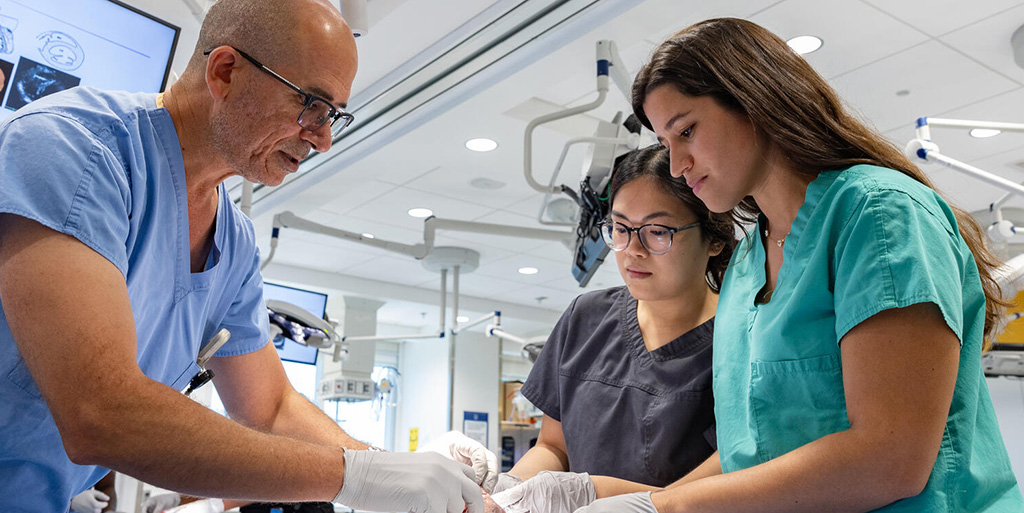
Residents have the opportunity to teach Mayo Clinic Alix School of Medicine students, visiting students, surgery residents, pediatric and internal medicine residents, and other anesthesia residents through operating room instruction and formal didactic lectures.
/test01/channel_2/media/mccms/content-assets/academics/residencies-and-fellowships/anesthesiology-residency-florida/curriculum/anesthesiology-residency-fl-1024X512-WF2854504_0002.jpg)
Trips and vacation
Learn about the trips and vacation policy.
Moonlighting
Learn about the moonlighting policy.
Evaluation
To ensure you gain proficiency and develop the corresponding technical skills, your performance is monitored throughout the Anesthesiology Residency. You are formally evaluated by your supervising faculty member after each clinical rotation and then meet with the program director to review these evaluations. In addition, you regularly evaluate the faculty to ensure your educational goals are being met.
/test01/channel_2/media/mccms/content-assets/academics/residencies-and-fellowships/anesthesiology-residency-florida/curriculum/anesthesiology-residency-fl-1024X512-WF2854504_0056.jpg)