
Immunology Track
faculty-led labs
years supported by a peer-reviewed NIH T32 training grant award

Guaranteed 5-year internal fellowship
includes full tuition, stipend and benefits
Immunology is a rapidly growing area within the field of biomedical science, which spans everything from teaching the body how to ward off certain diseases to developing antibodies to protect against others. Significant advances in technology — paired with understanding the complexities of the immune system and its role in human health and disease — have accelerated efforts to manage and treat diseases such as cancer, asthma and allergies, and even slow the progression of other diseases like Type 1 diabetes and multiple sclerosis.
The Immunology Track of the Ph.D. Program at Mayo Clinic Graduate School of Biomedical Sciences trains scientists who aspire to become independent investigators heading their own research programs as well as to train the next generation of leaders in biomedical science, with expertise in immunology.
As a student, you will benefit from a highly interactive, productive research environment that offers the opportunity to learn from dedicated mentors, including 34 faculty-headed laboratories conducting basic and translational immunology research in a wide variety of areas relevant to human disease.
There is a strong esprit de corps among immunology students, faculty and staff that drives discoveries in immunology through basic and translational research in five areas:
- Mechanisms of immunity and inflammation (genetics, cell biology, molecular biology and biochemistry in model systems)
- Immune-mediated disease (hypersensitivity, autoimmunity, inflammation)
- Vaccines and immune-based therapies (cancer immunotherapy, allergy, infectious disease, autoimmunity, tolerance)
- Regenerative immunity (immune reconstitution, transplant tolerance, immune-mediated regeneration)
- Patient-oriented research (patient studies, therapeutic trials)
Curriculum
This program focuses on preparing you for a successful scientific career as a leader in academia or industry. You begin by participating in various laboratory rotations, after which time you’ll choose a thesis mentor for three to five years of thesis research. During your time in the program, you’ll publish peer-reviewed original research papers, develop public speaking and teaching skills, learn to write scientific grant proposals and papers, and present at national conferences.
Required coursework provides a critical intellectual foundation. Graduate courses on biochemistry, cell biology and molecular biology are complemented by immunology coursework providing robust education in all areas of modern immunology research relevant to human disease. A comprehensive graduate immunology course is followed by six advanced immunology tutorial courses in which you actively read and discuss the literature with faculty working in those areas.
All students are provided with funds to attend the American Association of Immunologists (AAI) Advanced Course in Immunology. Three immunology journal clubs and the immunology seminar series keep you abreast of new discoveries. Electives permit you to tailor your education by selecting courses such as grant writing, biostatistics, clinical trial design, advanced flow cytometry, chimeric antigen receptor (CAR) T cell therapies, and regenerative medicine, as well as any of the many courses offered by the pharmacology, neuroscience, virology, physiology, and biomedical engineering departments.
Research opportunities
Research opportunities in the Department of Immunology can be broadly divided into four overlapping subtracks:
- Cancer immunology and immunotherapy. Clinical applications and basic research on tumor immunology and tumor immune therapy, including anti-tumor vaccines. Includes CAR T cells, PD-1 and other immune therapies.
- Autoimmunity and immune-mediated diseases. Clinical and basic research on the immune mechanisms of viral and bacterial diseases, inflammatory and autoimmune diseases, allergy and asthma, and gut microbiome.
- Molecular biology and signaling in immune activation. The receptors and intracellular signaling pathways that control immune cell proliferation, metastasis, migration and apoptosis. Includes systems biology, RNA sequencing data analysis and biomarker development.
- Immune system development and regeneration. The molecular and cellular mechanisms involved in differentiation of immune cells in the thymus and bone marrow including T and B lymphocytes, eosinophils, NK cells and dendritic cells. Includes hematologic malignancies, immune deficiencies, the bone marrow microenvironment and stem cell therapies.
Although they each have independent research laboratories, our faculty have created a highly interactive research environment for students with many opportunities for both formal and informal interactions. In particular, the entire department comes together several times each month to hear presentations by the department's students and faculty as well as invited distinguished researchers.
/0x0:512x512/test01/channel_2/media/mccms/content-assets/academics/biomedical-research-training/phd-program/immunology-goddery-emma-pic-tile.jpg)
I chose to come to Mayo because the environment is very friendly and collaborative, the students are genuinely happy, and the curriculum is stringent enough to allow me to robustly learn my specialty. There’s no limit on the kind of research you can conduct at Mayo, so I’ve been able to follow a line of research that I’ve always been passionate about: neuroimmunology.
Emma Goddery
Ph.D. student, Immunology Track
/0x0:512x512/test01/channel_2/media/mccms/content-assets/academics/biomedical-research-training/phd-program/immunology-sterner-rosalie-pic-tile.jpg)
The mentorship I’ve received has been outstanding. In addition to the tremendous mentorship I’ve received from the program itself, the department, my PI, and my thesis committee, the program is so highly devoted to collaboration and education that many of my research collaborators have taken on mentorship roles as well, which has had a very positive impact on my educational experience.
Rosalie Sterner
M.D.-Ph.D. student, Immunology Track
Your future
Learning to be an investigator in an intensely translational and clinical environment provides students with a bent toward translational science. As a result, many graduates of the Immunology Track hold faculty appointments in basic and clinical departments of major medical institutions. More than 95 percent of our graduates are engaged in biomedical science careers.
Meet the director
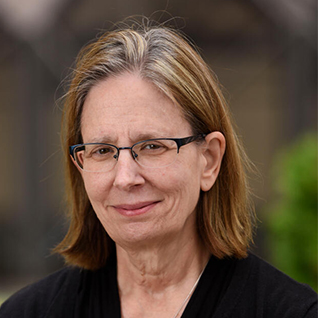 The field of immunology is coming of age. We’re entering a time when fundamental understanding of the immune system is being applied rationally to the treatment of disease, and Mayo Clinic is at the cutting edge of this translational research.
The Department of Immunology offers research opportunities from molecules to humans and everything in between — we’re positioned to take advantage of the unique opportunities that come from being part of a premier medical institution.
We invite you to become a part of this exciting field!
Kay Medina, Ph.D.
Immunology Track Director
Professor of Immunology
Phone: 507-284-2713
Email: medina.kay@mayo.edu

Faculty
Browse a list of Immunology Track faculty members
Recent news: Ph.D. students explore real-time seizure detection and antibiotic resistance
/0x0:440x220/test01/channel_2/media/mccms/content-assets/about/news/may-august-2023/size-440X220_Robin-Patal-lab-slides-1213391_3407786_0050.jpg)
In this article series, students who are near the end of their Ph.D. training at Mayo Clinic Graduate School of Biomedical Sciences talk about their research journeys, lessons learned, and hopes for the future.